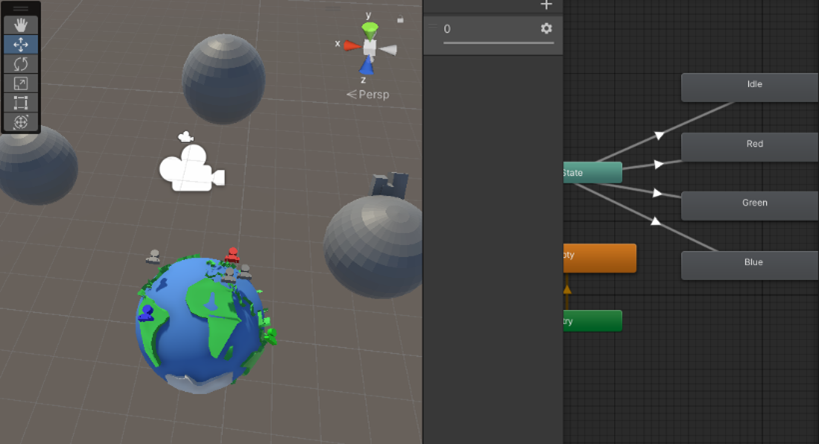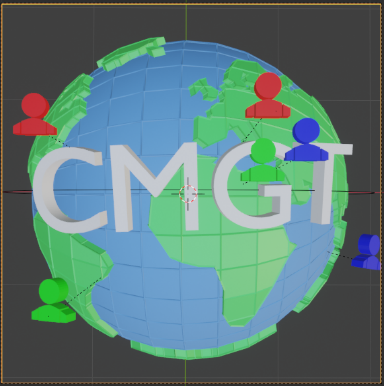
The process
I started with concepting, brainstorming ideas. Once I had a clear vision, it was time to dive into prototyping to test the ideas and make sure everything flowed smoothly.
Next came the creation phase, where I crafted all the assets needed—from the visuals to the animations. Once the pieces were in place, I brought everything to life with animation.
It was a challenging yet rewarding process, and seeing it all come together on the hologram fan was definitely worth it!
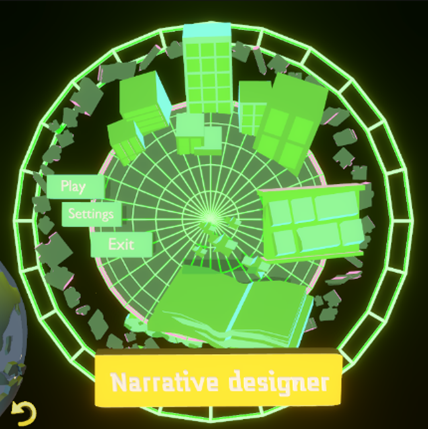
Interactive 3D hologram
For this project, the client requested an interactive animation to introduce visitors to the study during an open day.
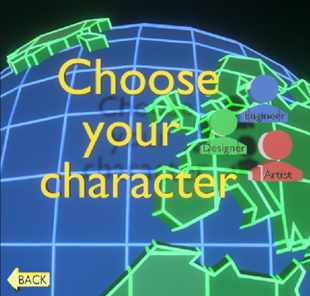
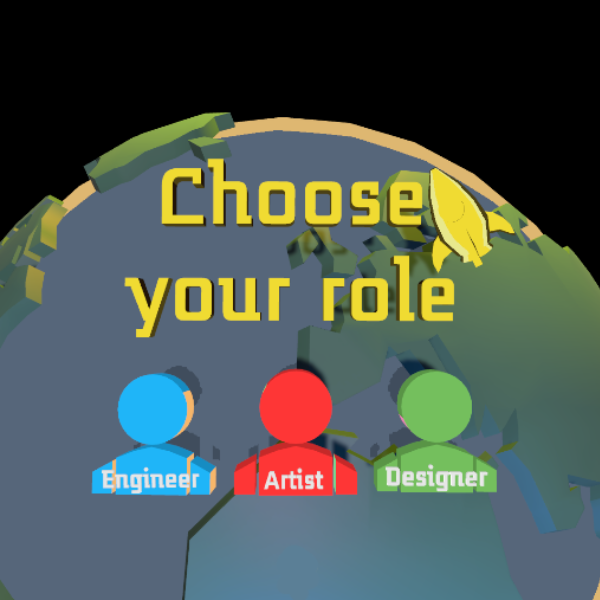
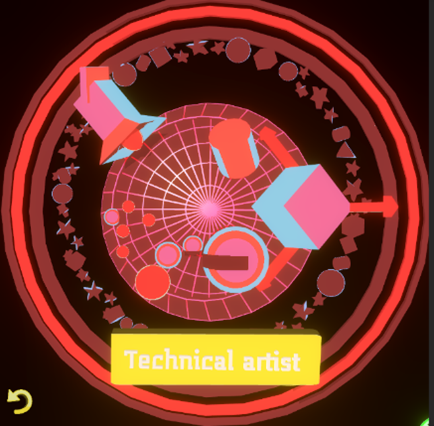
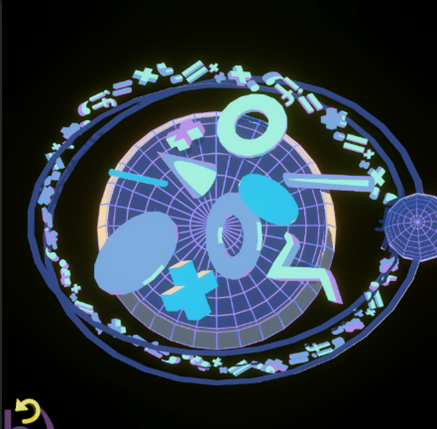
The concept was simple but creative: visitors could select a role from within the study, and an animation highlighting key aspects of that role would play on a hologram fan. There were three roles in total, each represented by its own planet. To make it even more dynamic, each planet had two sides, representing the different branches of that role. This way, visitors got a quick overview of what each role entails.
The roles
In the world of Creative Media & Game Technologies, there are three key roles that bring projects to life: Artist, Designer, and Engineer.
- Designer: From storytelling to level design and UI/UX, designers shape the experience and structure of a project, ensuring it’s both functional and captivating.
- Artist: Focused on the visuals, artists create the magic you see—whether it’s sculpting characters, 3D modeling, or animating scenes.
- Engineer: Behind the scenes, engineers make it all work, from coding and rendering to solving technical challenges.
Each role also specialize in two distinct areas. For the artist these are “Technical Artist” and “General 3D Artist”. These are shown as seperate side of the planet.
Gallery